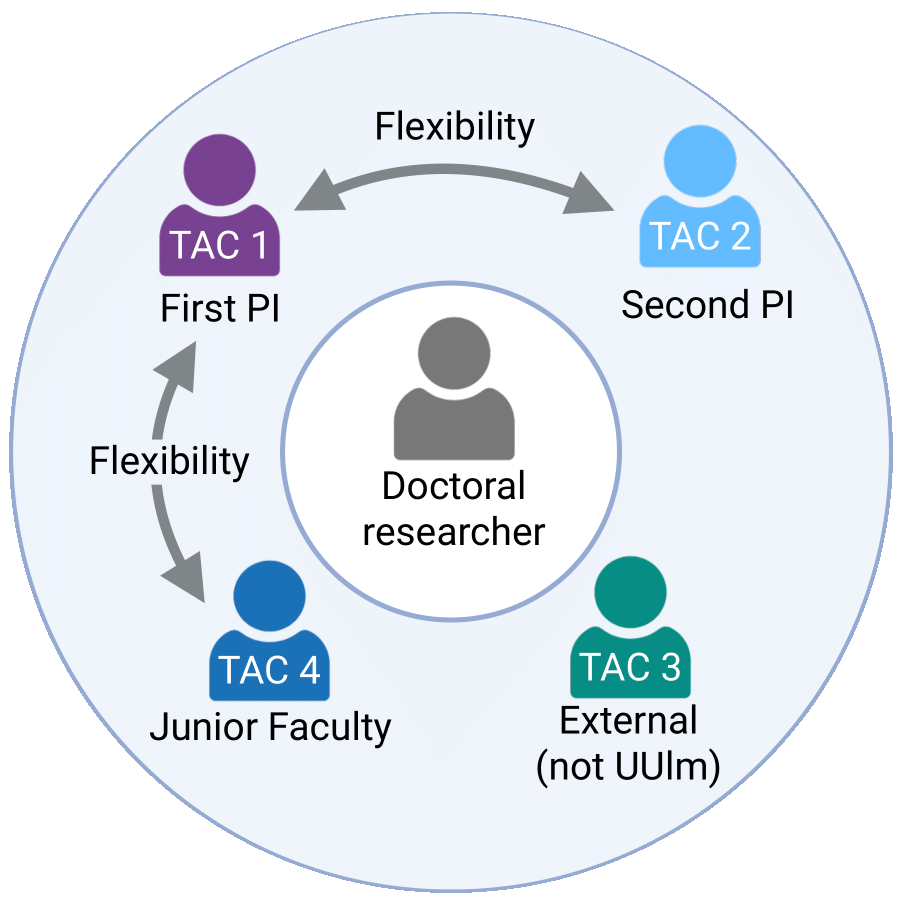
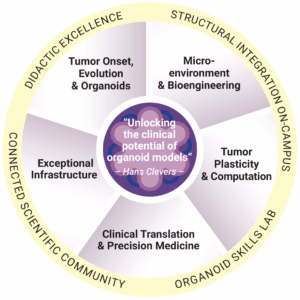
The Org-BOOST Qualification Program offers an integrated, interdisciplinary training environment for doctoral candidates aiming to advance cancer research through organoid technologies. As part of Ulm University’s International Graduate School in Molecular Medicine (IGradU), the program combines hands-on laboratory research, bioinformatics, and innovative bioengineering within a collaborative ecosystem.
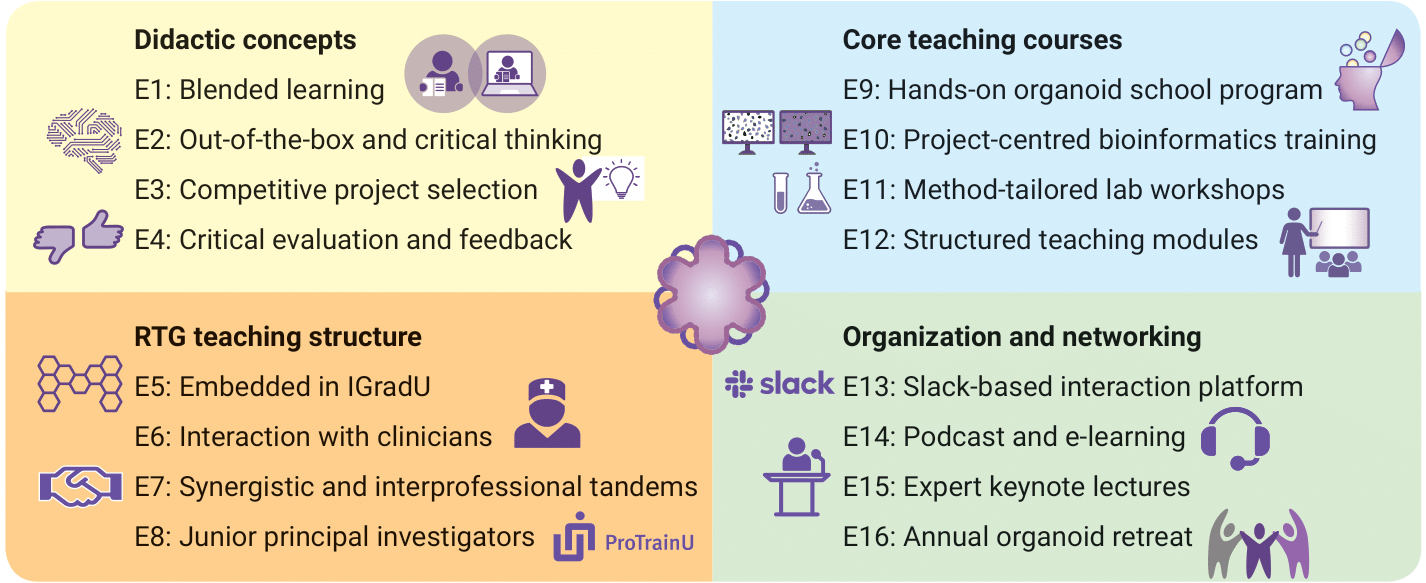
Students gain practical experience in human pluripotent stem cell–derived organoids, patient-derived tumor organoids, and 3D bioengineering techniques such as assembloids and bioprinting, supported by structured practical courses at the Core Facility Organoids and the Central Unit for Single-Cell Sequencing. Complementing experimental training, courses in computational biology, single-cell multiomics, and spatial transcriptomics equip students with essential skills for modern precision oncology.
The program emphasizes personal and professional development through mentoring by Principal Investigator tandems, guidance from Thesis Advisory Committees, and participation in weekly seminars, journal clubs, and the annual Organoid Retreat. Access to core facilities—including the Organoid Core Facility biobank and advanced imaging platforms—ensures exposure to cutting-edge technologies and collaborative projects.
Org-BOOST cultivates critical thinking, project management, scientific integrity, and interdisciplinary collaboration, preparing graduates to become leaders in translational cancer research. With its focus on innovation, diversity, and career development, the program offers a unique opportunity for doctoral candidates to make impactful contributions to cancer biology and personalized medicine.
Structure and Milestones of the Four-Year Org-BOOST Doctoral Program
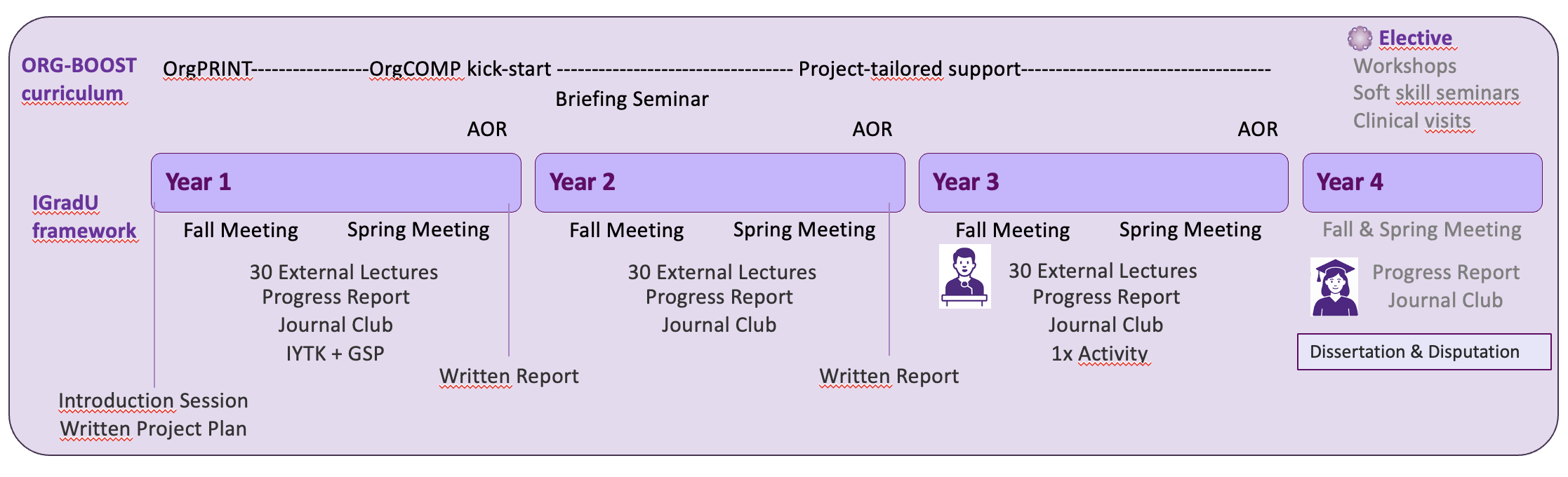
The four-year Org-BOOST doctoral journey is structured to balance research progress with skill development. Year 1 focuses on foundational training, including hands-on laboratory experience, orientation seminars, and defining research projects with mentorship from dual principal investigators. Year 2 emphasizes experimental work, core training modules, and introductory bioinformatics skills. In Year 3, candidates advance mechanistic studies, perform complex bioinformatics analyses, prepare for drafting their scientific papers, and participate in workshops, networking events, and national/international conferences. Year 4 focuses on thesis writing, data integration, preparation of scientific papers, and readiness for scientific presentations and career transitions, with ongoing mentorship and professional development support.
Examples of Courses, Seminars, Workshops and laboratory training
Courses
OrgPrint: Organoid culture, bioprinting, pharmacotyping
OrgComp: Single-cell omics analysis with R/Bioconductor Genomic
Data Science (Coursera, certified)
Good Manufacturing Practices (GMP)
Quantitative Analysis in Biology
Improve Your Textbook Knowledge
Seminars
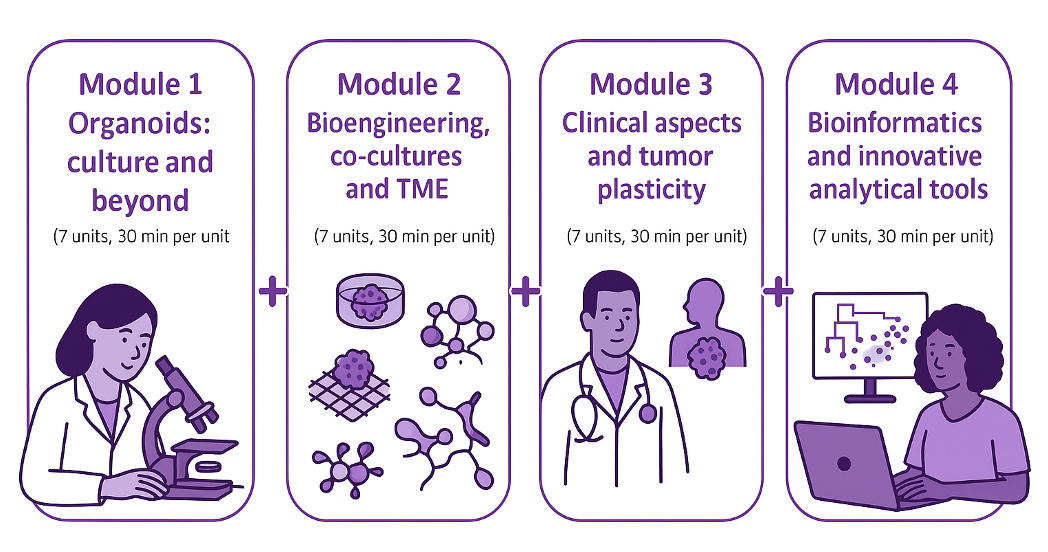
Briefing Seminar: 4 modules on organoid culture,
TME/bioengineering, drug development/plasticity, bioinformatics
Good Scientific Practice
Mercator Fellow Lectures
External Keynote Series
CFO Training
Translational training
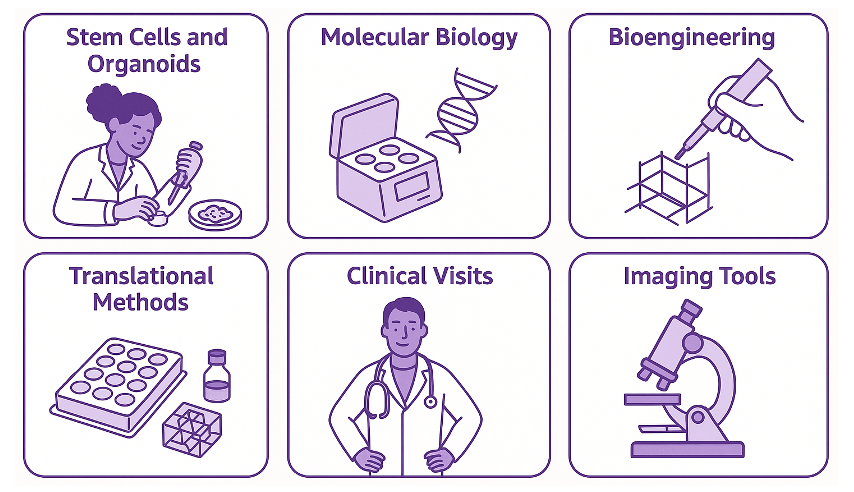
Molecular Tumor Board visits
Clinical outpatient days
Lab Rotations
Single-Cell Unit (bioinformatics).
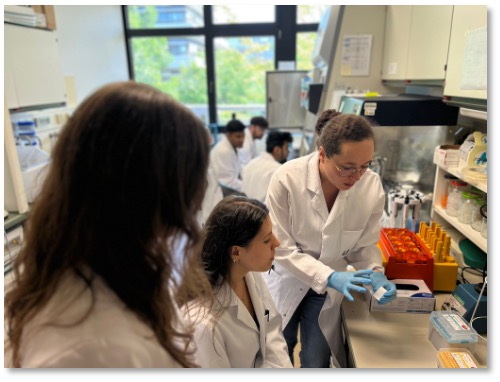
Core Facility Organoids (PDO derivation)
Workshops
Exosome isolation
Assembloid generation/analysis
Organoids-on-chip technology
Multiplex-IHC marker quantification
Light-sheet microscopy
Single-molecule microscopy
CellDetail 3D-cell image analysis
Virally transduce organoids
Protein-protein interaction analysis
High-content screening
Mentoring and Feedback
Direct RTG PI supervision
- Tandem PI supervision → scientific synergy
- Offer for weekly project discussions with at least 1 PI
- Monthly “Jour fixe” with both PIs
- Experimental support by additional lab members
- Individually tailored support and mentoring
Feedback from multiple directions
- Direct supervisors
- TAC members – at least biannual
- Department – work in progress reports, …
- Org-BOOST PIs – AOR, progress reports, workshops, …
- University – IGradU Spring and Fall meetings
- Cooperation partners
- Keynote experts – AOR, IGradU, Mercator Fellows, conferences, …